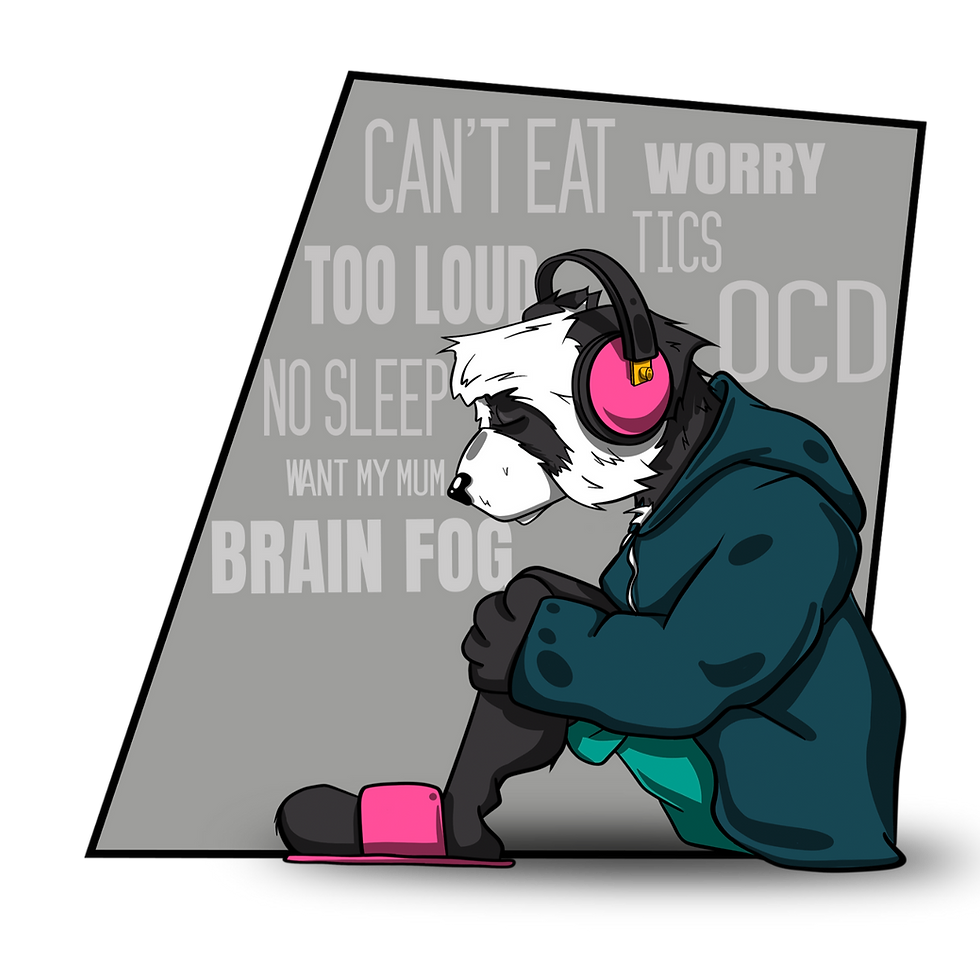
How to Cope with the Grief of Time lost to OCD?


When I first entered OCD recovery, I was so excited. I had more time for myself, I was able to try new things... I couldn't wait to start living the life I had always hoped for. And then grief struck. It hit hard, and the better my OCD got, the worse the grief got because I started to realise just what OCD had cost me over the years. With this grief came really intense feelings of anger, shame, loss and depression. I really wasn't expecting it.
Ten years into my recovery now, the grief is still there, but I carry it lightly. It's taken me a while to get to this place, but I'm there. I can look back and accept how things were, and put my energies into looking forward to an OCD-free(ish) future. I say ish because my OCD often still comes knocking, but it doesn't impact me in the same way anymore.
So it's from this position that I thought I'd write about OCD and grief. I'll cover what it is, why it happens, and how I began moving through it. I hope it helps.
How OCD recovery can cause Grief
Grief and OCD often go hand in hand. OCD causes us to spend a lot of time on things other than getting on with living. Whether it’s time spent on compulsions, avoiding certain situations, or the emotional and mental energy spent battling intrusive thoughts, it’s really tough to look back and realise how much time we’ve lost to OCD, and it’s totally normal to grieve the moments we feel were taken from us.
Acknowledging the Grief
The first thing to remember is that grief is a natural response to losing something important. It’s okay to feel sad or frustrated when we reflect on how OCD has impacted our lives. We may have missed out on social events, had our education and relationships impacted, or found ourselves unable to fully enjoy life events because OCD got in the way. It’s important to allow ourselves to grieve this time and to recognise the pain that comes from these losses.
Here are a few things to keep in mind:
It’s okay to mourn what we’ve missed. Whether it's missed opportunities, lost friendships, or personal growth, it’s completely normal to feel a sense of grief. I found that acknowledging it was the first step toward healing.
Our feelings are valid. We didn’t choose OCD, and it’s not your fault that it’s impacted our lives in this way. We are allowed to feel frustrated, angry, and disappointed.
Grief isn’t a sign of weakness. It’s simply a sign of how deeply we care about our own well-being and the well-being of those around us. Feeling grief is a sign we know we deserve better - and this is vital.
Reframing Thoughts around Grief
I want to be really careful that this doesn't enter into the world of toxic positivity here, but it would be wrong of me not to add this section because I found it really helpful in my own recovery.
Dealing with OCD is tough, but I can now recognise the skills I’ve developed in managing my anxiety, the empathy I’ve cultivated for myself and others, and the resilience I’ve built over the years. They are all part of my story, and they are strengths, not weaknesses, and the same is true for you.
Here are some of the ways I began to reframe the grief, and I hope it helps you do the same:
Focus on all the things we've learned. While OCD might have stolen time from us, it’s also taught us important lessons. These are tools that will serve us for the rest of our lives.
Recognise our resilience. I have a love/hate relationship with the word resilience because I think it's used far too often as a way of encouraging people to put up with inappropriate situations, but in this case, I think it applies... Think about all the times we’ve faced OCD head on, even when it felt impossible. Every time we pushed through a difficult moment, we grew stronger, and that is something to celebrate.
Find meaning in the tough times. No one wants to have to deal with OCD, but it might help to know that the hard moments aren’t wasted. The pain we’ve felt can help us connect with others who are going through similar struggles. Our story can inspire others to keep going, and that’s a powerful way to make our experiences count. Having lost so much time to OCD makes me more determined than ever to make the most of the time I have now!
Working Towards the Future
Here are just a few ideas to help us move forward with compassion and hope:
Set small, achievable goals
Focus on areas of your life where we can make meaningful progress. This could be something as simple as getting out of bed on a tough day, trying a new relaxation technique, or even having a quick go at an activity we usually avoid because of OCD.
Practice self-compassion
OCD often makes us way too hard on ourselves. Self-compassion is a skill that can be developed with practise, so put some time aside to work on it. Here are some examples:
I’ve done the best I can, and I’m proud of my efforts.
It’s okay to feel sad about the time lost to OCD.
My struggles do not define me.
Focus on what we can control
One of the most frustrating aspects of OCD is that it often makes us feel like we don’t have control over our own lives. But in reality, we have far more control than we think. Focusing on the areas of our lives that we can influence can really help.
This might look like:
Setting boundaries with activities or people who drain your energy.
Scheduling time for activities you enjoy or want to try - things that make you feel alive and connected.
Reducing time spent on compulsions by using tools like mindfulness, cognitive-behavioural therapy (CBT), or exposure and response prevention (ERP).
Seek Support
We don’t have to go through this journey alone. Talking to others who understand OCD can be incredibly helpful. Whether it’s a friend, family member, therapist, or support group, sharing our feelings of grief can lighten the load.
A Little Round-Up
It’s normal to grieve the time lost to OCD. It’s also normal to wish that things had been different, that you hadn’t missed out on certain moments. But please remember that OCD does not define us - it is part of our experience, not all of it.
I'm at the place now that, whilst I wish I hadn't had to deal with OCD for such a long time, I can recognise that I can go on to have a life that's meaningful to me even though that has happened. And I wish for the very same for you, too.
Sending you loads of love as always,
Catherine xx
Taming Olivia Store
The grief we experience around OCD can be very painful. If you would like to learn more about developing skills to improve your well-being, please explore our bright and compassionate resources.
We put a huge focus on learning how to build helpful skills, such as self-compassion in our How to Show self-Compassion Pack and acceptance in our How to Develop Radical Acceptance Pack.
Want to learn how to put more boundaries into your life? Check this out.
We have a children's and young people's section coming very soon, so please keep an eye out for that.
Taming Olivia Newsletter
We send out a fun community newsletter each month which includes:
Loads of information about upcoming OCD community events
A free, fun, and accessible well-being pack that includes ways to practice self-care and recovery skills.
Taming Olivia updates
Come and join us in the wonderful world of Taming Olivia by signing up here!